
 Canada
 USA
USA Japan
Japan

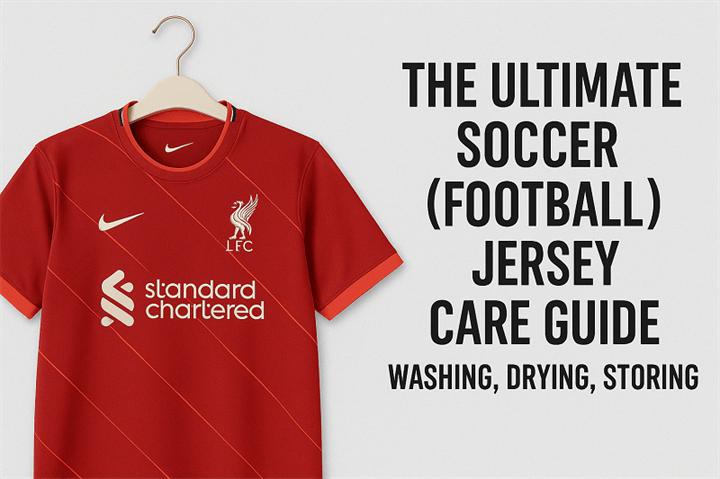
The Ultimate Soccer (Football) Jersey Care Guide (Washing, Drying, Storing)

-
Turn inside out before washing; protect names, numbers, and crests.
-
Cold water + gentle cycle (or hand-wash); mild liquid detergent; no softener/bleach.
-
Air-dry only—heat is the #1 jersey killer; keep away from direct sunlight.
-
Treat stains early (grass, mud, sweat) with targeted, gentle methods; avoid harsh scrubbing.
-
Store smart: wide hanger or folded flat; cool, dry, dark space; breathable garment bag for long-term.
-
For signed/collectible shirts: avoid washing; use UV protection and archival materials.
Why Jersey Care Matters (and What Makes Jerseys Different)
Soccer (football) jerseys aren’t just any athletic top. Most modern shirts are made from performance polyester with mesh zones, heat-applied badges, sponsor prints, and player names/numbers. These details elevate the look and feel—but they’re also vulnerable to heat, friction, and harsh chemicals. Handle a jersey correctly and it stays bright, odour-free, and crisp for seasons. Get careless and you’ll see peeling numbers, faded colours/colors, warped crests, and set-in smells that are hard to reverse.
Two big truths guide everything in this article:
-
Heat + friction = damage. High temperatures set stains, weaken adhesives behind prints, and cause cracking or shine marks.
-
Harsh chemistry = risk. Chlorine bleach and strong solvents can discolour prints, degrade fibres, and leave permanent marks.
The good news? With a simple routine you’ll avoid 95% of problems.
Know Your Jersey: Authentic vs. Replica (and Why It Matters)
Authentic/player-issue jerseys use lighter, more technical fabrics and often feature heat-bonded details for minimal weight and maximum breathability. They look and feel amazing but demand gentler care. Replicas/fan versions are slightly heavier and more forgiving, sometimes with stitched elements that tolerate a tiny bit more handling. The care rules are similar, but with authentics be extra cautious about heat and abrasion.
Key differences for care:
-
Authentic: slimmer cut, thinner fabric, more heat-applied elements → gentle handling, never high spin or heat.
-
Replica: sturdier fabric, but prints still vulnerable → stick to cold, gentle cycles and air-dry.
Pre-Wash Routine: Small Habits, Big Results
Bullet summary:
-
Turn the shirt inside out.
-
Empty pockets and close any zippers on other garments to avoid snagging.
-
Separate colours/colours: darks with darks; whites alone.
-
Spot-treat stains before the main wash.
-
Mesh laundry bag recommended for machine washing.
Why it works:
Turning a jersey inside out dramatically reduces friction on the sensitive exterior—especially on sponsor logos and heat-applied names and numbers. Separating colours/colours prevents dye transfer. A mesh bag keeps the jersey from rubbing against rough items (like jeans or gear with Velcro/zip teeth), especially during the spin.
Detergents, Softeners, and Additives: What to Use (and Avoid)
Bullet summary:
-
Use: Mild liquid laundry detergent (ideally enzyme-based/sports-specific).
-
Avoid: Powder detergents that can leave residue; fabric softener (coats fibres, traps odour, weakens adhesion); chlorine bleach (fibre/print damage).
-
Consider: Colour-safe oxygen bleach for whitening/odour in whites, used sparingly; baking soda for deodorising soaks.
Deep dive:
Liquid detergents dissolve thoroughly in cold water, minimising residue on mesh panels. Enzymes help break down protein- and fat-based soils (sweat, body oils), which are responsible for lingering locker-room smells. Fabric softener, while tempting for “freshness”, actually creates a film on polyester that traps odour and reduces wicking. If you need extra deodorising power, use oxygen bleach (colour-safe) for white jerseys and baking soda soaks for heavy odour—both are gentler on fibres than chlorine bleach.
Hand-Washing Method (Safest)
If you want maximum lifespan, hand-washing is king.
Bullet summary:
-
Basin of cold water + a small amount of liquid detergent
-
Inside out, soak 10–15 minutes
-
Gentle agitation; do not scrub prints/crests
-
Rinse cold until clear; press (don’t wring) water out
-
Air-dry flat or on a wide hanger, out of sun
In practice:
Fill a clean basin or sink with cold water and mix in a teaspoon or two of liquid detergent. With the jersey turned inside out, submerge and gently swish the water through the fabric. Focus on high-sweat zones (collar, underarms, lower back) by lightly rubbing fabric against fabric—never across prints. Drain, rinse with clean cold water, and press out moisture with a towel. Hanging on a wide hanger prevents shoulder bumps; laying flat keeps shape perfect.
Machine-Washing Method (For When You Must)
Machines are fine if you set them up for success.
Bullet summary:
-
Inside out, mesh laundry bag
-
Cold water, gentle/delicate cycle, low spin
-
Liquid detergent, no softener/bleach
-
Remove promptly; air-dry only
In practice:
Place the inside-out jersey in a mesh bag to reduce rubbing. Choose the gentlest cycle and keep spin low; violent spin speeds batter delicate prints against the drum. Cold water preserves colours/colours and prevents shrinking of adhesives. As soon as the cycle ends, remove the jersey so it doesn’t crease or sit damp (which encourages musty odours).
Stain Strategy: Grass, Mud, Sweat, Deodorant, Sunscreen & More
Grass (green chlorophyll stains)
-
Method: Dab with 70% isopropyl alcohol, blotting onto a clean cloth; rinse cold; work in a bit of liquid detergent; rinse; launder cold and air-dry.
-
Alt: Enzyme detergent or colour-safe oxygen-bleach soak (30–60 min); rinse, cold wash.
Why: Alcohol loosens chlorophyll dyes; enzymes break down organic residue. Avoid hot water, which sets.
Mud (soil/particulates)
-
Method: Let mud dry fully; brush off outside; pre-treat with liquid detergent 10–15 min; rinse; cold wash; air-dry.
-
If ghost mark remains: brief oxygen-bleach soak, then rewash cold.
Why: Wet mud smears deeper; dry removal lifts particulates before washing.
Sweat & Odour
-
Method: Baking-soda soak (1 tbsp per litre/quart of cold water, 30–60 min); rinse; cold wash.
-
For whites: oxygen-bleach soak (follow label), rinse, cold wash.
Why: Sweat is protein + salts + oils; baking soda neutralises odour, enzymes handle soils; oxygen bleach brightens whites without chlorine damage.
Deodorant/Antiperspirant Marks
-
Method: Gently work in liquid detergent or a dedicated sport detergent directly on the mark; soak 15–30 min; rinse; cold wash.
-
Avoid: Scrubbing printed areas or using acetone/harsh solvents.
Sunscreen & Body Oils
-
Method: Pre-treat with a small amount of liquid detergent (or mild dish soap) on the oily spot; soak 15–30 min in cold to lukewarm water; rinse; cold wash.
-
Note: Sunscreens can stain—treat promptly to prevent yellowing on whites.
Blood (for training injuries)
-
Method: Rinse cold ASAP; pre-soak in cold water with a little detergent; gently dab; launder cold.
-
Never: Hot water first—it sets protein stains.
Golden rules for stains:
-
Treat early. Fresh stains lift easier.
-
Spot-test any solution on an inconspicuous area.
-
Blot, don’t scrub—especially on prints and crests.
-
Air-dry first. If the stain remains, repeat treatment; heat will set it.
Drying: Where Jerseys Live or Die
Drying is the step that ruins more jerseys than any wash cycle ever will.
Bullet summary:
-
Air-dry only—no tumble dryer.
-
Dry out of direct sunlight to prevent fading.
-
Use a wide hanger or lay flat on a drying rack.
-
Avoid radiators, heaters, and hot irons.
In practice:
Tumble dryers generate heat and mechanical stress: a double hit that warps heat-applied graphics and cracks numbers. Sunlight can fade dyes and over-dry polyester, making it feel stiff. The ideal is a shaded, breezy room. If hanging, pick a hanger with broad shoulders or padded ends; for delicate authentics, lay flat to stop stretching at the neck.
Ironing and Steaming (If You Really Need To)
Bullet summary:
-
Avoid direct ironing on prints/badges.
-
Use a cool iron on the inside with a pressing cloth if absolutely necessary.
-
Steaming from the inside at a distance is safer than ironing.
In practice:
If the jersey is wrinkled, hanging it in a steamy bathroom (not wetting it) often relaxes creases. A handheld steamer on low, used from the inside of the shirt, can refresh fabric without contacting prints. If you must iron, use the lowest heat that works, avoid all graphics, and interpose a thin cotton cloth.
Storage (Short-Term, Seasonal, and Long-Term)
Short-Term (daily/weekly use)
-
Bullet summary: Wide hanger, enough space between garments, cool & dry closet, avoid crushing prints.
Paragraph:
For jerseys you wear frequently, a sturdy, wide hanger preserves shoulder shape and keeps air flowing. Don’t jam shirts together—friction and pressure cause “ghost” impressions where numbers press into other fabrics. Keep them away from damp walls or steamy bathrooms to prevent musty odour and mildew.
Seasonal Storage (off-season)
-
Bullet summary: Clean before storing, fold loosely or use wide hangers, breathable garment bag, dark/cool environment.
Paragraph:
Always store jerseys clean. Body oils and sweat residues oxidise over time, yellowing whites and feeding odour. Folding is fine—just avoid sharp creases across printed areas by padding with a sheet of acid-free tissue. A breathable garment bag shields from dust while allowing moisture to escape. Never seal a damp jersey in plastic.
Long-Term / Collector Storage
-
Bullet summary: Acid-free tissue/backing, archival garment bag or box, silica gel (optional), stable temperature/humidity, minimal light.
Paragraph:
Collectors should treat jerseys like textiles in a museum. Use acid-free tissue between folds to prevent dye transfer and crease memory. Store in an archival garment bag or acid-free box with a small pouch of silica gel to buffer humidity. Keep in the dark at steady, moderate conditions (around 18–21°C / 65–70°F; 45–55% RH). Check items twice a year for any signs of moisture or pests.
Protecting Names, Numbers, Badges, and Sponsors
Bullet summary:
-
Turn inside out for washing; mesh bag in machine cycles.
-
Avoid heat (dryer, hot iron); avoid aggressive scrubbing.
-
If edges start to lift, stop washing and repair before the next clean.
Paragraph:
Heat-applied vinyls and adhesives are designed to endure match play, not repeated high-heat laundering. Besides washing inside out, never iron directly on numbers or crests. If you notice lifting corners, pressing them down with heat is risky at home; a professional print shop can re-press with a protective sheet and controlled temperature. Until then, hand-wash only and keep the area dry.
Odour Control: Keeping Jerseys Fresh Without Softener
Bullet summary:
-
Baking-soda soaks, enzyme detergents, oxygen-bleach soaks for whites.
-
Line-dry in fresh air when possible.
-
Wash promptly after heavy use; avoid leaving damp in a bag.
Paragraph:
Odour is mostly about bacteria feeding on sweat and oils. Enzyme detergents target these soils; baking soda adjusts pH and neutralises smell. Oxygen bleach helps whiten and refresh whites safely. The single worst habit is tossing a damp jersey into a closed gym bag overnight—this is how odour “sets.” Rinse quickly after use if you can, then wash or at least hang to air out.
Travel and Match-Day Care
Bullet summary:
-
Pack in a breathable garment sleeve; include a spare plastic bag for muddy items.
-
Mini care kit: small liquid detergent, a few cloths, a mesh bag.
-
Rinse promptly post-match; air-dry in the hotel bathroom.
Paragraph:
Travel exposes jerseys to dirt, sweat, and cramped bags. Fold loosely or hang in a breathable sleeve. After a match, if full washing isn’t possible, a cold-water rinse and overnight air-dry on a hanger keeps odour at bay until a proper wash. Keep a small bottle of liquid detergent and a mesh bag in your kit for emergency hotel-laundry cycles.
Special Cases: White Jerseys, Retro Shirts, and Signed Jerseys
White Jerseys
Whites highlight every scuff. Use colour-safe oxygen bleach for periodic brightening, never chlorine bleach. Treat sunscreen and deodorant stains early. Dry in the shade to avoid yellowing.
Retro/Vintage Jerseys
Older fabrics and prints can be more fragile. Stick to hand-washing, minimal agitation, and air-drying flat. Test any stain treatment on an inside seam first.
Signed/Match-Worn or Collectibles
Do not wash unless essential. Moisture can feather ink and devalue the piece. For display, use UV-protective glazing, spacers so fabric doesn’t touch the glazing, acid-free backing, and a dust-sealed frame. For storage, use archival bags and low light.
Common Mistakes to Avoid (Bookmark This)
-
Tumble drying or hot radiators
-
Fabric softener or chlorine bleach
-
Scrubbing directly on prints or crests
-
Washing with rough items (zips, Velcro, jeans)
-
Leaving a damp jersey in a closed bag
-
Ironing over names/numbers
-
Storing in sealed plastic while damp
-
Exposing to direct sunlight for long periods
A Simple Weekly Routine (For Busy Players & Parents)
-
After use: Turn inside out, quick cold rinse if you can, hang to air out.
-
Wash day: Cold + gentle (or hand-wash) with mild liquid detergent; mesh bag if using a machine.
-
Stains: Pre-treat quickly (alcohol for grass, let mud dry and brush, baking-soda soak for odour).
-
Dry: Air-dry away from sun; shape shoulders; avoid heat.
-
Store: Hang on wide hanger or fold with tissue; keep cool, dry, dark.
This routine takes minutes but adds years to a jersey’s life.
Troubleshooting: When Things Go Wrong
Numbers cracked or peeling
-
Stop machine washing; switch to gentle hand-wash only.
-
Avoid heat entirely. Consider a pro re-press with proper protective sheets.
Persistent locker-room smell
-
Do a baking-soda soak (30–60 mins) + enzyme detergent wash.
-
Skip fabric softener forever. Dry thoroughly in fresh air.
Dye transfer or pinkish whites
-
Rewash immediately cold with oxygen-bleach (for whites only); avoid heat until fixed.
-
In the future, separate colours and wash new dark jerseys separately for the first few cycles.
Shiny/iron marks on fabric
-
Caused by too-hot ironing. Rinse gently, air-dry, and accept minor cosmetic change; preventable next time by steaming from the inside or using a pressing cloth on low heat.
FAQ
Can soccer/football jerseys shrink?
Not like cotton. Polyester resists shrinking, but heat can warp fibres and damage adhesives. Stick to cold water and air-dry.
Is machine washing safe?
Yes, with caveats: inside out + mesh bag + cold + gentle + low spin, remove promptly, and air-dry. Hand-washing is safer for authentics and vintage shirts.
How often should I wash a jersey?
After heavy use. Otherwise, air it out and wash only when needed to preserve prints and reduce wear.
What’s the best way to remove sweat odour?
Use an enzyme detergent and consider a baking-soda or oxygen-bleach soak (whites only). Never use fabric softener.
Can I use vinegar?
White vinegar can help with odour when diluted, but never mix it with peroxide or bleach. Always spot-test and keep it away from prints.
Why are my numbers peeling?
Usually heat exposure, aggressive spin, or harsh detergents. Switch to hand-washing, cold water, and zero heat. If needed, have a professional re-press.
Final Checklist (Do’s & Don’ts)
Do:
-
Turn inside out; wash cold; use mild liquid detergent.
-
Pre-treat stains early; air-dry in the shade.
-
Store on a wide hanger or folded with tissue in a cool, dry, dark place.
-
Use breathable covers for long-term storage; consider UV protection for displays.
Don’t:
-
Tumble dry, iron prints, or use hot water.
-
Use chlorine bleach or fabric softener.
-
Scrub crests or numbers; wash with rough items.
-
Seal damp jerseys in plastic or hang in direct sun.