
 Canada
 USA
USA Japan
Japan

Messi Personality Type

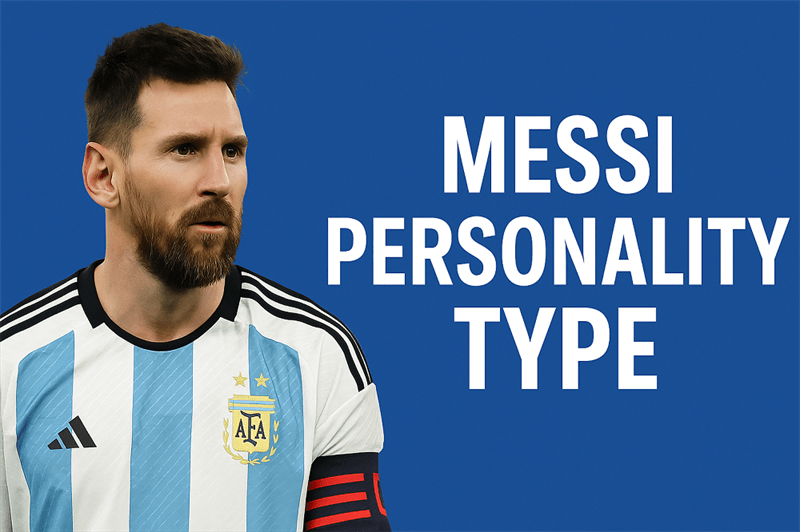
When examining the personality of Lionel Andrés Messi widely regarded as one of the greatest footballers of all time we must tread carefully. Personality type assessments (such as those based on the Myers-Briggs Type Indicator, MBTI) are speculative without direct verification from the individual. Nevertheless, considering Messi’s public behaviour, playing style and personal disposition, one can synthesise a coherent profile of how his personality comes across
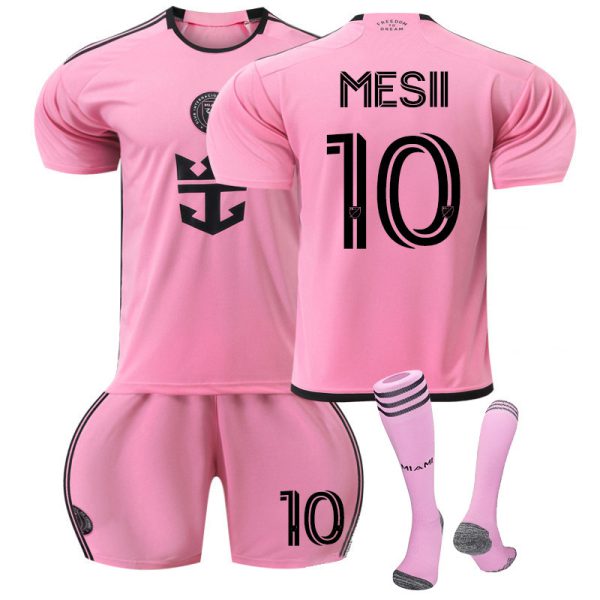
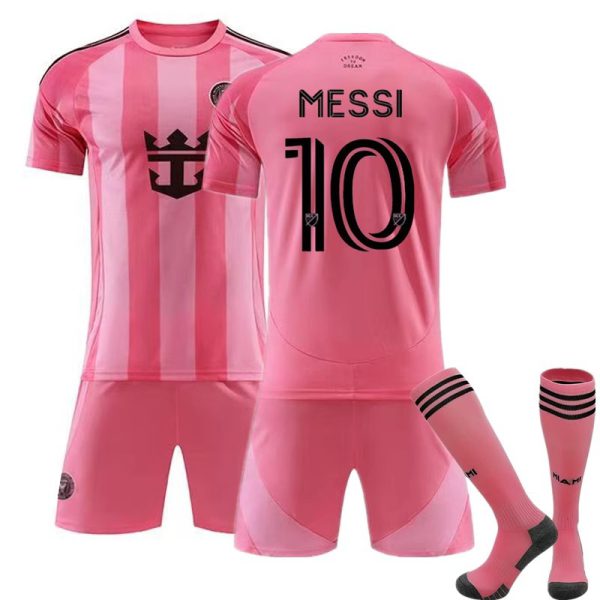
Messi Football Jerseys and Kits
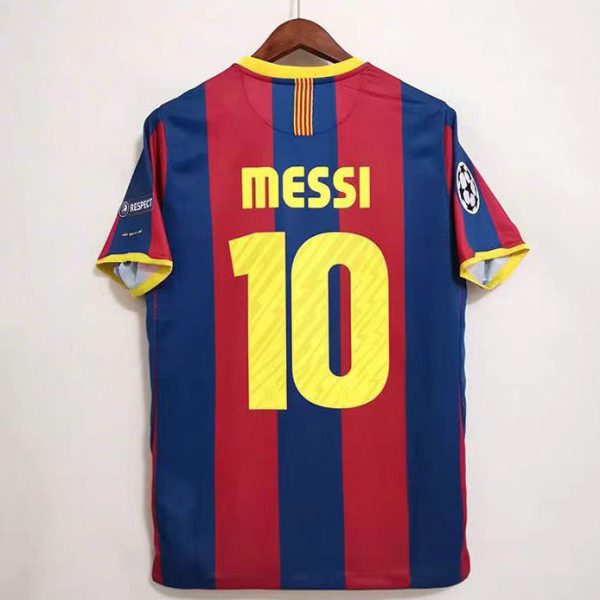
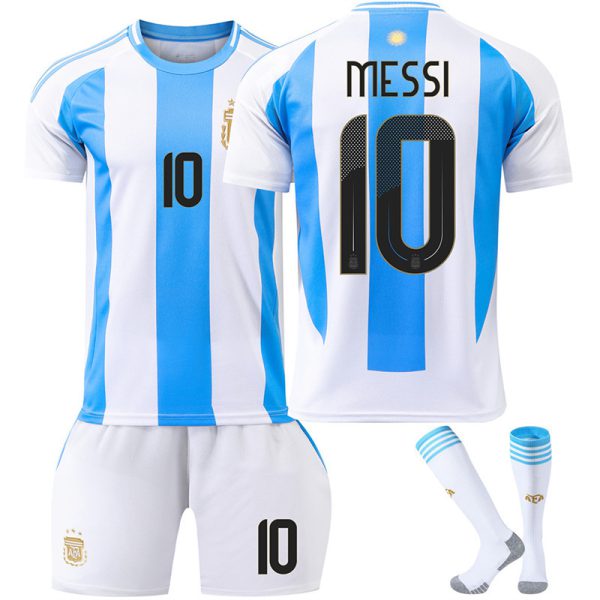
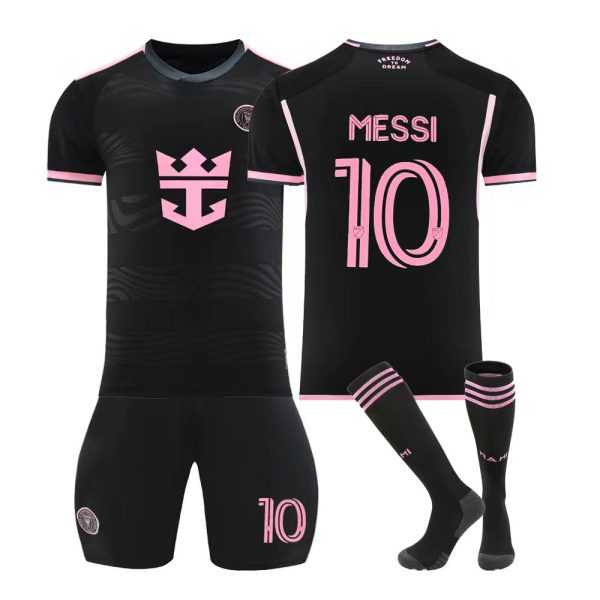
Background and Context
Messi was born on 24 June 1987 in Rosario, Santa Fe, Argentina. He developed at youth clubs including Grandoli and Newell’s Old Boys, later joining FC Barcelona’s youth system and making his senior debut in 2004. Over his career he has gathered numerous honours and records: a record number of Ballon d’Or awards, leading goalscorer for club and country, and captaincy roles for club and national side
His off-field character is described as reserved, introspective and focused. For instance, respected football journalist Simon Kuper noted that “Anyone that knows Messi always say he’s not shy, he’s not timid, he’s quite assertive, but he’s an introvert.” This gives us some key clues about his personality.
Observations of Key Personality Traits
Below are several prominent traits which recur in accounts of Messi’s character and behaviour.
- Introversion with understated leadership – While not a flamboyant presence off the pitch, Messi leads by example. His style suggests someone who draws motivation from his own internal standards rather than seeking constant external affirmation.
- Calm focus and situated awareness – Observers often mention how he seems absorbed in the moment, with great present-moment awareness: rather than grand gestures, he displays quietly intense concentration on his craft.
- Adaptability and improvisation – On the field he is known for his dribbling, his “reading” of the game, and his capacity to improvise when space opens. His mental profile appears to favour functional flexibility.
- Low external self-promotion – Unlike many star players who cultivate oversized public personas, Messi’s off-pitch discourse tends toward modesty and understatement. This suggests his personality is less about external display and more about internal mastery.
- Resilience and intrinsic motivation – Having overcome a growth hormone deficiency in childhood, and steadily developed into global superstar status, his story underlines a strong inner drive and sustained commitment.
Which Personality Type Fits Best?
Given the above traits, what MBTI (or similar) type might Lionel Messi align with? Several online analyses suggest candidates—but again, these remain speculative and should be taken with caution.
One source suggests Messi fits the ISTP (Introverted, Sensing, Thinking, Perceiving) profile, emphasising his logical and analytical mind, focus on the present, ability to improvise, and calm demeanour.
Another commentary argues for ISFP (Introverted, Sensing, Feeling, Perceiving), citing his focus on being a good person, his preference for understated interaction, and his present-moment awareness. For example, in a Reddit thread one commenter wrote:
“I see him often typed as ISFP since one of his famous quotes is ‘I’m more worried about being a good person than being the best football player in the world.’”
Between the two, ISTP may have a slight edge given that Messi is often described as analytical in his decision making on the pitch, yet the ISFP designation also holds merit because of his humility and values-driven posture. Ultimately, a hybrid of these observations might be more accurate than a rigid label.
How This Personality Type Manifests in His Football Career
The choice of personality profile helps illuminate how Messi’s approach to football and to his profession can be understood:
- Responsive improvisation: With a sensing-perceiving orientation, he reacts swiftly to stimuli on the pitch—dribbles, passes, space exploitation. His adaptability is a hallmark.
- Quiet leadership: Rather than vocal commanding, his influence comes from performance, consistency and example. His introverted-thinking side means he may lead by doing rather than by speech.
- Focus on the present task: His low-profile public persona supports a personality comfortable in concentration rather than spectacle. He seems less interested in media noise and more in the moment of football.
- Internal motivation and humility: His values-driven approach (e.g., “I’m just happy with a ball at my feet”) suggests that for him football remains fundamentally a passion and craft, rather than only status or fame.
Implications for Fans and for Jersey Collectors
For the audience of a site such as jerseys4pro that is, readers who are fans and collectors of football club and national team jerseys — these personality insights into Messi have several practical and emotional implications:
- Owning a jersey bearing Messi’s name or number isn’t just about acquiring a symbol of his on-pitch success; it also connects to values such as diligence, humility and sustained excellence.
- When Messi moves clubs (for example from Paris Saint Germain to Inter Miami CF), the meaning of that jersey changes slightly—reflecting both the career stage and the personality narrative of someone evolving rather than seeking limelight.
- For collectors looking at special editions or national team jerseys, understanding Messi’s identity as a team-first player reinforces the value of national team versions (e.g., Argentina) as much as club versions—since his allegiance and performance for his country mirror his personality traits of loyalty and quiet leadership.
Limitations and Caveats
It is essential to stress that personality type frameworks like MBTI are not definitive scientific diagnoses and that assigning a type to someone without direct psychological assessment is speculative. The above analysis is derived from observable public behaviour, credible reporting and documented facts about Messi’s career and demeanour.
Moreover, human personality is multifaceted and evolves over time—particularly for someone whose career spans two decades at the highest level of sport with many environmental shifts (youth growth issues, club changes, international duty, moving continent). Thus any single “type” must be understood as shorthand for dominant tendencies rather than rigid category.
Conclusion
In summary, Lionel Messi presents a personality profile that emphasises introversion, present-moment focus, adaptability, low-key leadership and intrinsic motivation. If one were to adopt a Myers-Briggs style label, the ISTP or ISFP designations appear most fitting based on publicly observable traits—though both carry caveats. For fans and collectors of football jerseys, appreciating this dimension of Messi’s personality enriches the significance behind owning a jersey bearing his name and number
By understanding Messi not only as a remarkable athlete but also as a distinctive character whose life and career reflect deeper personal qualities, we add value and context to the jerseys and memorabilia that carry his legacy